
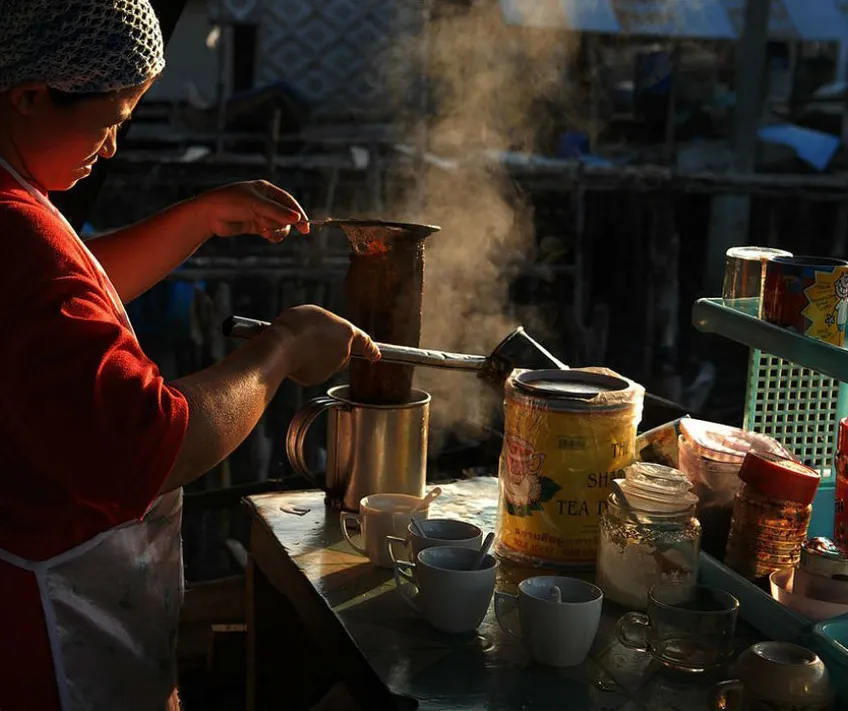
Thailand's coffee landscape is undergoing a remarkable transformation as the kingdom pivots from mass production to specialty excellence. Once ranked among the world's top 15 coffee producers, Thailand has slipped to 20th position globally over the past decade—but this apparent decline masks a more intriguing story of strategic evolution. The country's coffee industry is deliberately prioritizing quality over quantity, shifting focus from traditional robusta cultivation toward premium arabica varieties that command higher prices and greater respect among discerning coffee enthusiasts. This calculated move reflects a broader understanding that sustainable growth lies not in volume but in value.
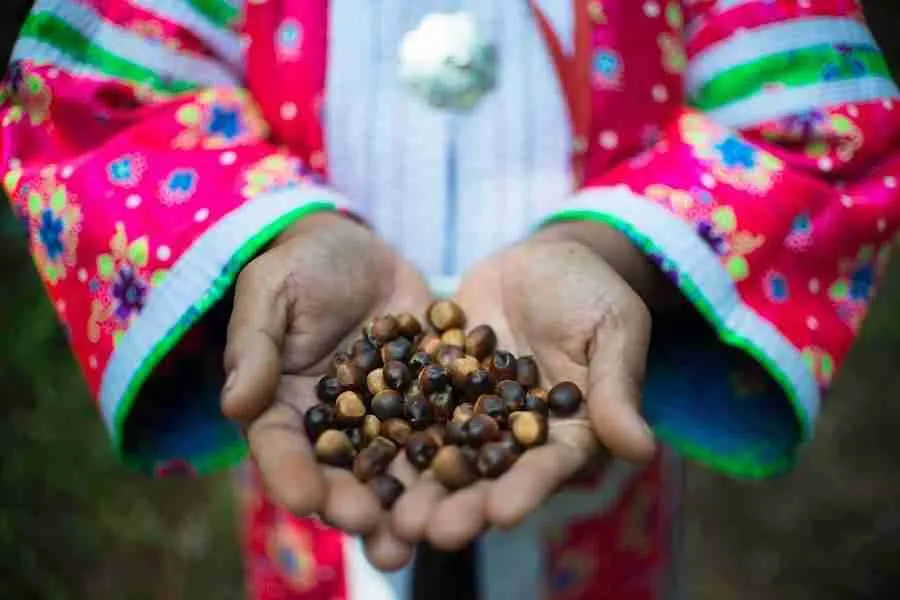
The geographical and climatic diversity of Thailand provides an ideal foundation for this specialty coffee renaissance. Northern regions like Chiang Mai and Chiang Rai have emerged as arabica hotspots, where higher altitudes and cooler temperatures create optimal growing conditions for these prized beans. Meanwhile, traditional robusta cultivation continues in southern provinces, but even these operations are embracing improved processing techniques and quality standards. Thai coffee farmers are increasingly adopting sustainable farming practices, investing in better equipment, and working closely with agronomists to enhance flavor profiles that reflect the unique terroir of each region.

Perhaps the most fascinating aspect of Thailand's coffee boom is the voracious domestic appetite that keeps most of the country's best beans within its borders. Local demand consistently outstrips supply, creating a unique market dynamic where Thai specialty coffee rarely makes it to international markets. Bangkok's coffee scene has exploded with independent roasters and specialty cafes, while coffee culture has spread rapidly to secondary cities throughout the kingdom. This internal consumption pattern has created a self-reinforcing cycle where local roasters can command premium prices for exceptional Thai beans, encouraging farmers to continue improving quality.
The economic implications of this specialty focus are proving significant for rural communities across Thailand. Coffee farming regions are experiencing increased prosperity as farmers transition from commodity pricing to specialty premiums. Cooperatives and direct-trade relationships are flourishing, allowing producers to capture more value from their crops while building long-term partnerships with roasters. Educational programs and government initiatives are supporting this transition, providing technical assistance and market access that helps farmers navigate the complexities of specialty coffee production. The result is a more sustainable and profitable agricultural sector that benefits entire communities.

Thailand's coffee processing innovations are garnering attention from industry professionals worldwide, even if the beans themselves rarely leave the country. Experimental fermentation techniques, unique honey processing methods, and creative approaches to natural processing are producing flavor profiles that showcase Thailand's distinct coffee character. Local roasters are collaborating with farmers to develop signature processing styles that highlight specific varietal characteristics and regional differences. These innovations are being documented and studied, contributing to global knowledge about coffee processing while maintaining Thailand's competitive edge in quality production.
The future trajectory of Thailand's specialty coffee industry points toward continued growth and sophistication. As domestic demand continues expanding and quality standards keep rising, Thailand is positioning itself as a model for coffee-producing nations seeking to maximize value rather than volume. The country's approach—focusing on internal market development while steadily improving quality—offers valuable lessons for other producing regions. While Thailand may have dropped in global production rankings, its specialty coffee boom demonstrates that success in the modern coffee industry isn't measured solely by export volumes but by the ability to create sustainable, profitable, and quality-focused agricultural systems that serve both producers and consumers.
